No Contest: Fans Lose in SARU's Pricing Game

Ryan Berelowitz
57 years ago
71point4 > Blog > Macroeconomics > No Contest: Fans Lose in SARU’s Pricing Game

No Contest: Fans Lose in SARU’s Pricing Game

Posted by: Ryan Berelowitz
Category: Macroeconomics, sport

The sudden boom of fireworks, the low rumble of an A380 flyover, and the roar of 62 000 passionate fans welcoming the nation’s heroes onto the battlefield. These are trademark sounds of South African rugby but unfortunately the latter will not manifest this weekend after the South African Rugby Union’s (SARU) greedy and out-of-touch pricing strategy has simultaneously shot themselves in the foot and slapped their fans in the face.

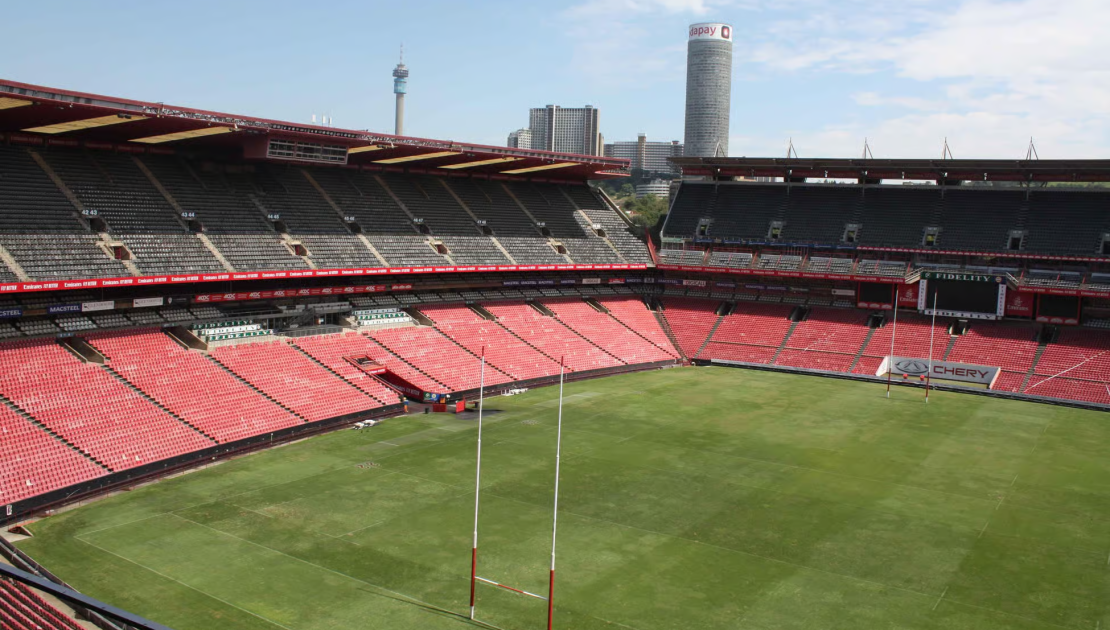
Large swathes of the iconic Ellis Park, the spiritual home of South Africa rugby, will be empty on Saturday as the Springboks welcome one of their most iconic rivals, England. Rapport reported on Sunday 28 June that only 21 000 seats in the 62 000-capacity stadium have been sold. As of Thursday, there does not seem to have much movement with perhaps a few thousand tickets sold earlier in the week.

The Springboks have never been more popular. Rassie Erasmus’s appointment as Director of Rugby in late 2017 ushered in a period of historic success. They have been the best team in the world since 2019, winning two World Cups along the way. Moreover, a group of incredibly likable legendary players, led by the universally adored Siya Kolisi and Erasmus, have been stalwarts over this time and have built connections with fans across the country. There is simply no lack of demand to watch the Springboks play live. So, what explains the lacklustre ticket sales? There is one primary reason: prices.

SARU does not appear to understand their market. When confronted with criticism over ticket prices in 2025, SARU president Mark Alexander told the Sunday Times: “Rugby Test matches in South Africa remain among the most affordable top-tier sporting events, especially when compared to global tournaments with significant operational costs… While other major international sporting events carry premium pricing, South African rugby continues to prioritise accessibility for fans”. SARU thinks it can charge similar prices for Test matches to what would be found in Sydney, London, or Auckland (an IOL report published last year shows that they have significantly overshot this in PPP terms). However, this fundamentally misunderstands the Springboks’ fan base.

Ignoring the handful of tickets priced at R450 (which all sold out on the day of release), the cheapest tickets can be purchased for R950 with the majority of available seats on sale for between R1 750 and R3 000. Thus, to see the Springboks live, a couple would be expected to fork out R1 900 and a family of four R3 800 and that is before factoring in transport (R250 for park and ride), beer (R160 for a puritanical two draughts), plus food and snacks (R300 for the family). Altogether, this amounts to R4 500 for a family of four.

This is more than the total income earned by 35% of South African households. Over half the South African population earns less than R8 500 per month with a further third earning up to R30 000. Four of the cheapest currently available tickets to watch South Africa play England would amount to almost half the monthly income of over half of all households in South Africa and at least 13% of monthly income for the next third of households ranked by income. Granted, such households may not make it into SARU’s target market. But even when looking at the highest earning 8% of households who earn over R83 000 per month the prices look steep. According to Stats SA’s Income and Expenditure survey, these households typically allocate 8% of monthly income to discretionary items such as recreation, restaurants, and alcohol. Setting aside R4 500 for an afternoon out may not be financially reckless for these households but they would certainly think twice. If that family were to opt for the best (non-VIP) tickets available the ticket outlay would be a mind-boggling R12 000. Suddenly eyes are watering even for the 750 000 households at the top of the pyramid. Bare in mind that these households are located all across the country and not necessarily within reasonable travel distance to the game.

The official SARU response to the slow ticket sales has been to blame the war in Iran – seriously – only solidifying the public’s conception of the organisation as greedy and out-of-touch.

As I finish this blog, SARU have begun dropping ticket prices in an all too familiar attempt to save face. Ticket prices in certain sections of the stadium (those that will feature prominently on TV broadcasts) have fallen from R2 350 to R950. This has become a go to method for SARU: Gouge fans who buy tickets earlier before panicking and lowering prices days before the event. This ruse may have worked in the past, but fans have caught on and won’t be made a fool of time and again. Moreover, the decision to drop some of the most expensive tickets to a price point at which many seats remained unsold is baffling and unlikely to move the needle significantly.  The empty seats this weekend should be understood as a combination of pure economics and a boycott against SARU’s one-two punch: extortionate prices coupled with a cynical dynamic pricing policy. Watching fans give the middle finger to SARU’s visible hand is almost as good as watching the game live.

Author: Ryan Berelowitz

Leave a Reply