- 01Title deed backlog↗
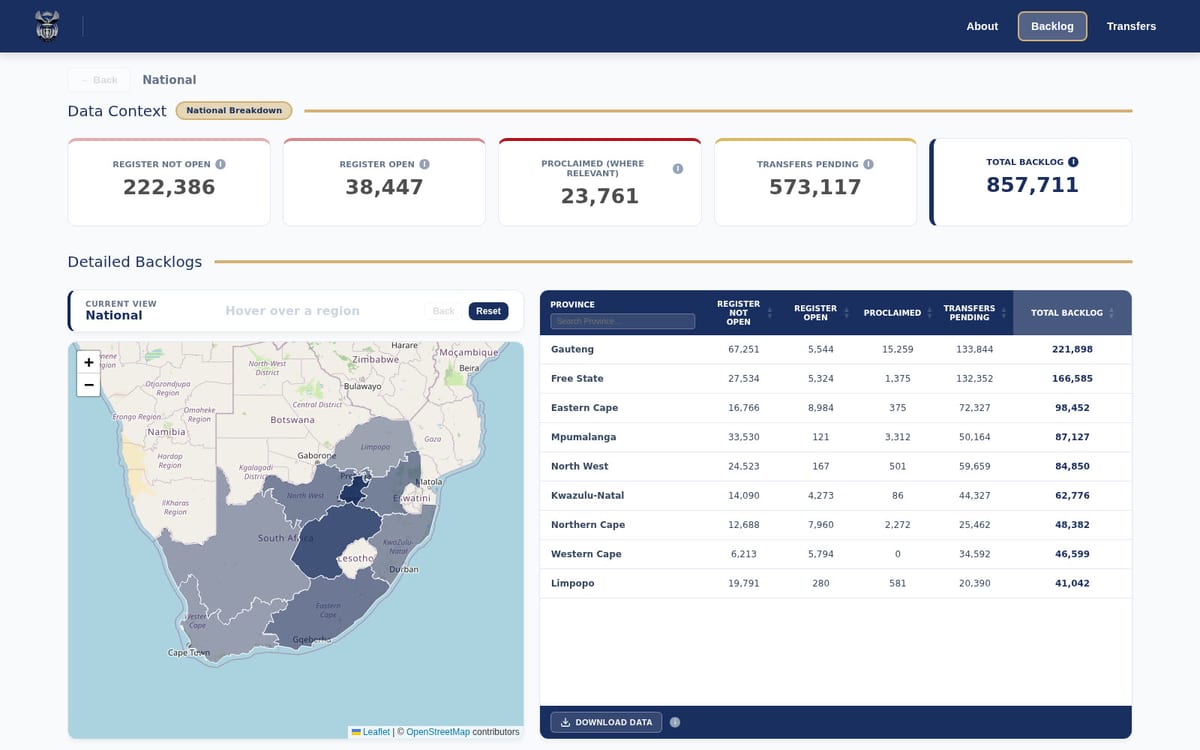
We brought together spatial and administrative data to estimate South Africa’s title deed backlog and built a dashboard to explore the backlog and beneficiary transfers. Developed as part of our technical support to the Titling Backlog Restoration Project, commissioned by the DBSA on behalf of National Treasury’s Cities Support Programme, the dashboard combines approved general plans, Google Footprints data, Deeds Office records and provincial gazettes. Users can explore estimates at provincial, municipality and township level.
- 02Employment equity↗
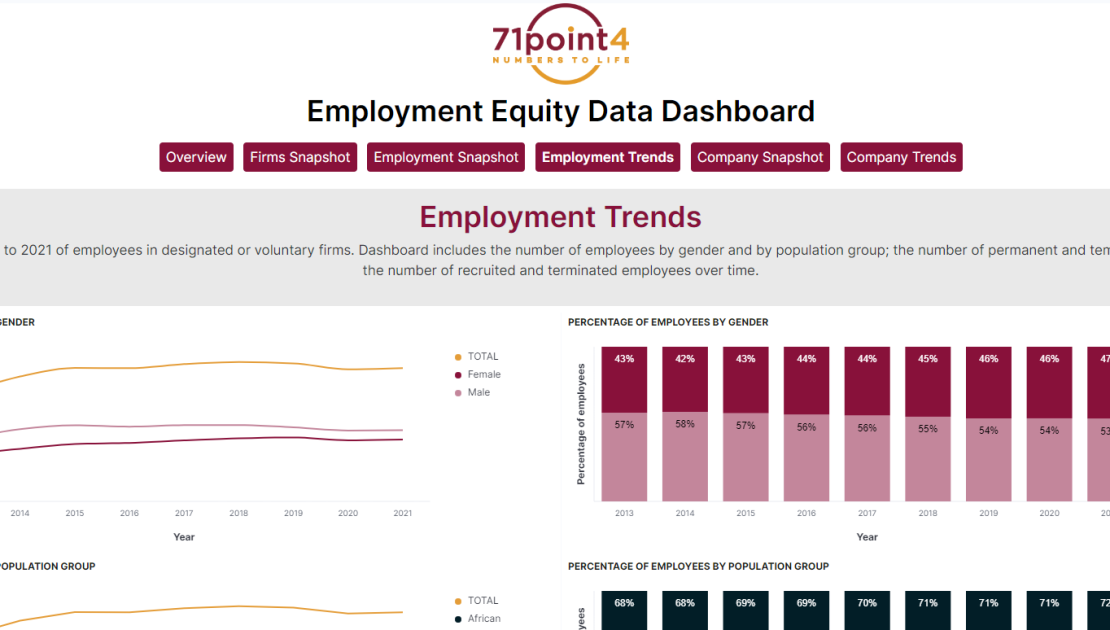
We scraped and structured Department of Employment and Labour reports and built the data pipeline behind a public dashboard of South Africa’s workforce. The dashboard opens up a unique view of racial and gender transformation, recruitment and promotions. Users can explore employment equity reports at sector, industry and individual employer level.
- 03The driver perspective↗
We combined company data, driver surveys and interviews to assess ride-hailing work and identify ways to improve the driver experience. The study brings together evidence from South Africa and Kenya, connecting the numbers with drivers’ lived experiences to understand the opportunities and challenges of platform work.
- 04Mobile money in Rwanda↗
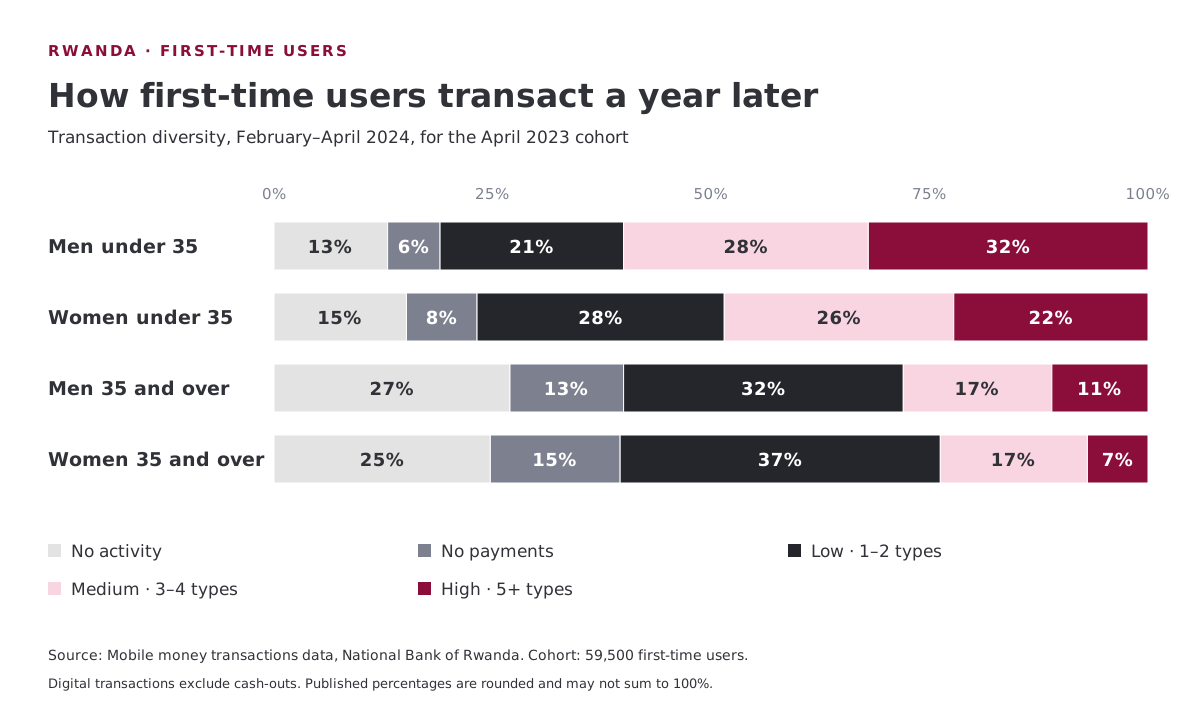
We analysed mobile money transactions in Rwanda to track financial inclusion, explore the closing gender gap and understand how first-time users engage with digital payments. For the Rwanda Economy Digitalisation Programme, we partner with Cenfri to analyse supply-side data from the National Bank of Rwanda. We compared active users by gender and age, measured growth since 2019 and followed a cohort of 59,500 first-time users. Transaction data complements FinScope survey evidence with a more frequent view of uptake and usage.
- 05Graduate unemployment↗
We revisited graduate unemployment with labour force data through the end of 2025, examining how employment outcomes differ by age, race and gender. Published in March 2026, the updated analysis shows why a single graduate unemployment rate hides important differences. It also examines sampling uncertainty and the need to link better administrative data to understand graduate outcomes.
- 06Farmer service centres↗
We combined surveys, interviews and business data to understand how Kenya’s Farmer Service Centres operate, and where finance and digitisation can help them serve smallholder farmers. For FSD Kenya, FSD Africa and the Farm to Market Alliance, the study distinguished established, transitional and subsistence businesses. A telephone survey of 380 centres and qualitative research helped identify different financing needs, with a focus on women and young entrepreneurs.
- 07Tracking credit markets↗
We examined borrower experiences and lenders’ cost structures to inform MicroFinance South Africa’s submission on interest rates and fees under the National Credit Act. The 2024 study combined lenders’ internal costing data with a survey of more than 1,800 declined credit applicants and three borrower focus groups. It explored how the costs of formal lending intersect with borrowers’ use of registered and unregistered lenders.
- 08Affordable housing↗
We analysed household circumstances, incomes and housing needs to help the Development Bank of Rwanda and its partners assess the market for affordable rental and ownership options. Our housing market analysis formed part of the June 2023 study on housing and low-cost building materials and technologies. Census and earnings data, household segmentation and research on household-led development helped identify where housing supply and finance fall short of demand.
- 09Financial inclusion dashboard↗
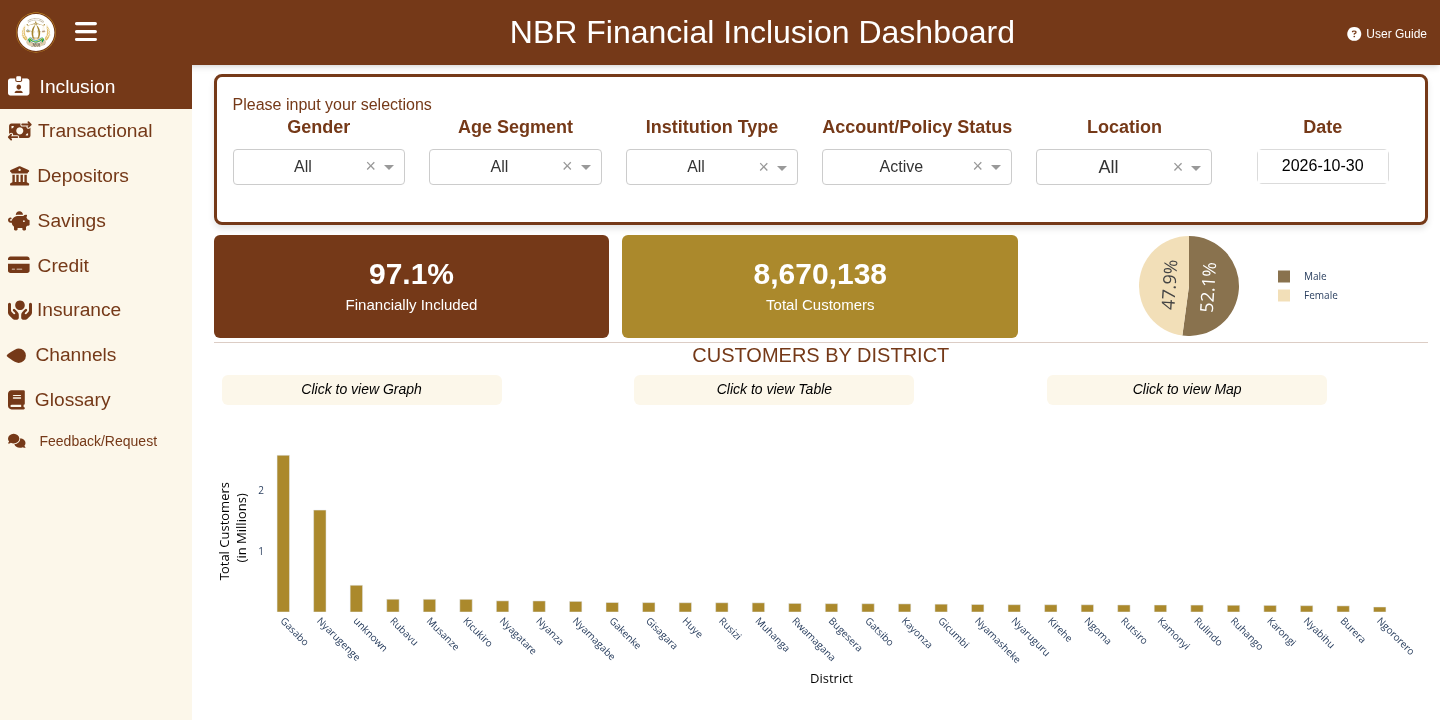
Working with Cenfri and the National Bank of Rwanda, we help turn regulatory data into a clearer view of who uses financial services and where gaps remain. The public dashboard brings together supply-side indicators on inclusion, transactions, deposits, savings, credit, insurance and service channels. Users can explore differences by gender, age, location and institution type to support more targeted financial inclusion decisions.
- 10The Tenure Support Centre↗
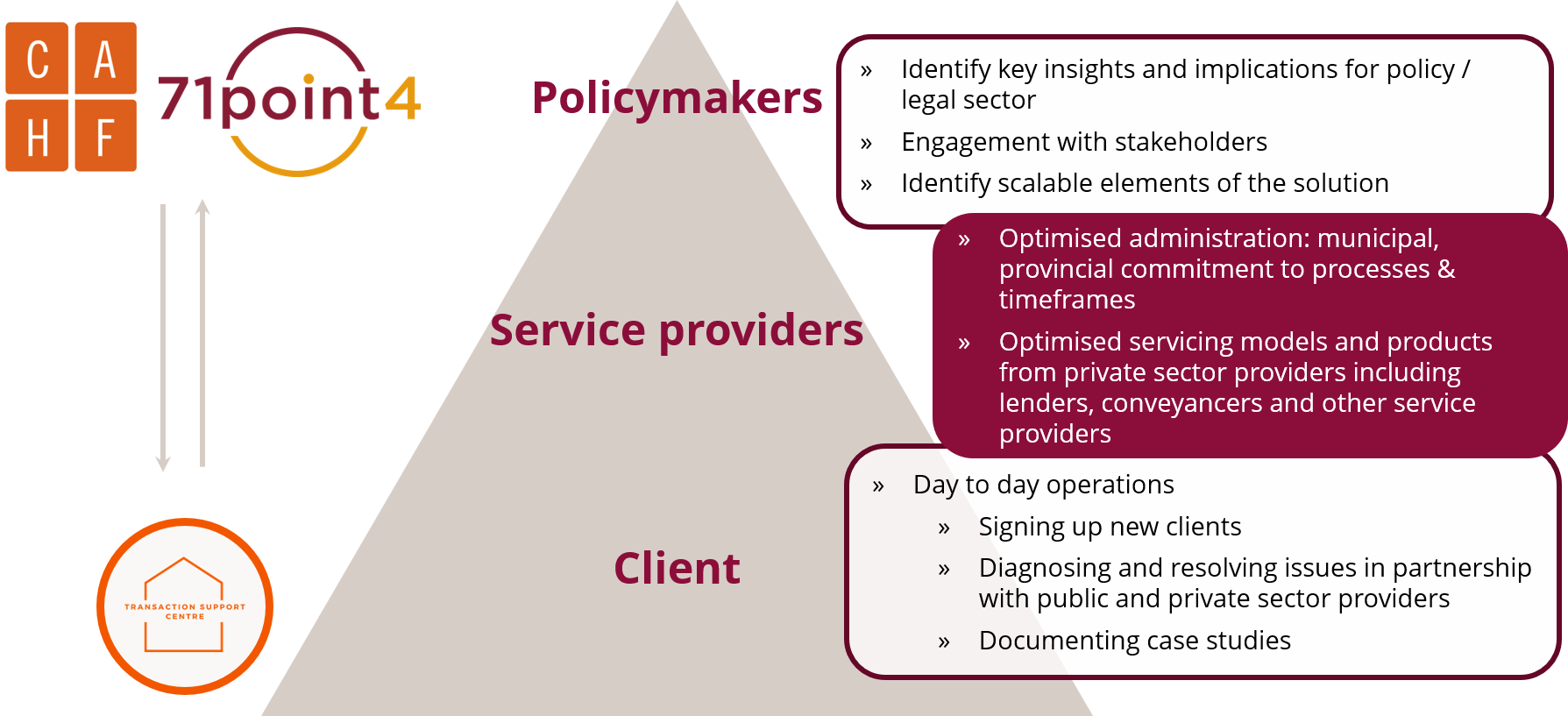
We combined research with hands-on case work to help low-income households resolve title deed and property transaction challenges. Based in Khayelitsha, the centre helps households formalise tenure, resolve informal transactions and transfer property out of deceased estates. Its case work also informs engagement with policy makers on structural barriers in the affordable housing market.